

Car Part, When it comes to maintaining or upgrading a vehicle, selecting the right car part is crucial. Whether you’re a seasoned mechanic or a DIY enthusiast, understanding the role each component plays in your car’s performance, safety, and longevity can save you time, money, and stress. This article explores the essentials of car parts, the importance of quality, and tips for making the best choices.
What Is a Car Part?
A car part refers to any component or system that makes up a vehicle. From the engine and transmission to smaller elements like spark plugs and air filters, each part plays a specific role in the functionality of the car. Car parts can be divided into several categories:
- Mechanical parts: These include the engine, transmission, brakes, and suspension.
- Electrical parts: This category covers the battery, alternator, sensors, and lighting.
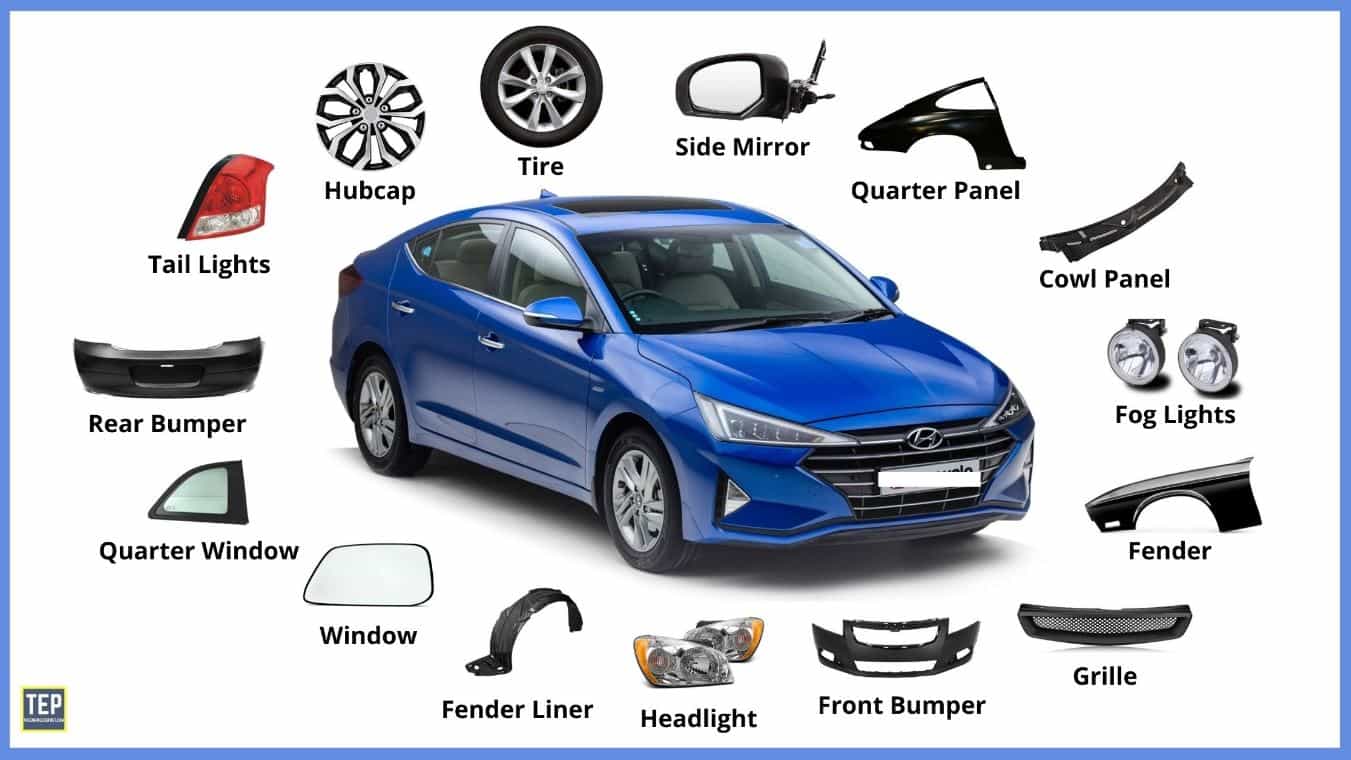
- Body parts: Doors, bumpers, mirrors, and windshields fall under this group.
- Interior parts: Seats, dashboards, and air conditioning systems are examples.
Why Quality Matters in Car Parts
Not all car parts are created equal. Using low-quality or incompatible components can lead to performance issues, frequent repairs, and even safety risks. Here’s why choosing high-quality car parts is important:
- Reliability: Quality parts last longer and perform better under various conditions.
- Safety: Critical systems like brakes and steering depend on durable, well-manufactured components.
- Efficiency: Engine and fuel system parts impact how efficiently your car runs, affecting fuel economy.
- Resale value: A well-maintained vehicle with high-quality components retains more value over time.
OEM vs. Aftermarket Car Parts
When purchasing a car part, you’ll often choose between OEM (Original Equipment Manufacturer) and aftermarket options:
- OEM parts are made by the car’s manufacturer or a certified supplier. They match the parts that originally came with the vehicle.
- Aftermarket parts are produced by third-party companies. They can be more affordable and may offer enhanced performance, but quality can vary widely.
Each has its pros and cons, and the best choice often depends on your vehicle, budget, and specific needs.
Where to Buy Car Parts
Car parts are available through a variety of channels:
- Dealerships: Ideal for OEM parts with a guarantee of compatibility.
- Auto parts stores: Offer a wide range of both OEM and aftermarket parts.
- Online retailers: Provide convenience and often better pricing but require careful research to ensure fitment.
Tips for Choosing the Right Car Part
- Know your vehicle: Have your car’s make, model, year, and VIN handy to find compatible parts.
- Do your research: Read reviews and check manufacturer specifications.
- Consult professionals: When in doubt, ask a trusted mechanic for recommendations.
- Compare warranties: A good warranty can be a sign of confidence in a part’s quality.
Conclusion
Choosing the right car part is a vital part of vehicle ownership and maintenance. By understanding the differences in quality, knowing where to shop, and being informed about your vehicle’s needs, you can keep your car running smoothly and safely for years to come. Whether you’re replacing a worn-out component or upgrading for performance, smart decisions today can prevent costly problems tomorrow.
You Might Also Like These: