

Car-Part, When it comes to maintaining a vehicle, the term car-part is more than just a generic label—it represents the essential components that keep a car running smoothly and safely. Whether you’re a seasoned mechanic or a DIY enthusiast, understanding car-parts is crucial for ensuring optimal performance and longevity of your vehicle.
What is a Car-Part?
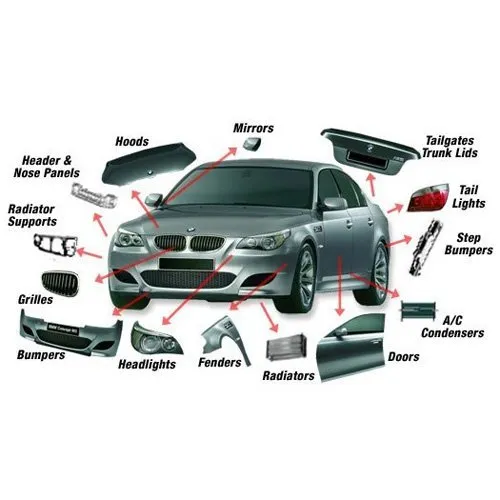
A car-part refers to any individual component of a vehicle, ranging from visible exterior parts like mirrors and bumpers to internal systems like the engine, transmission, or brake system. Each part plays a specific role in the overall operation of the car, and even a single malfunctioning piece can affect the entire system.
Categories of Car-Parts
Car-parts can be broadly categorized into the following types:
- Mechanical Parts: These include engine components, transmission systems, axles, and more. They are integral to the car’s movement and performance.
- Electrical Parts: Items like batteries, alternators, and sensors fall into this category. They manage the vehicle’s electrical flow and diagnostics.
- Body Parts: Bumpers, doors, fenders, and hoods not only contribute to the aesthetic of a car but also its aerodynamics and safety.
- Interior Parts: Seats, dashboards, and infotainment systems provide comfort and functionality inside the vehicle.
- Safety Parts: Brakes, airbags, seatbelts, and lighting systems are crucial for ensuring the safety of the driver and passengers.
OEM vs. Aftermarket Car-Parts
One important consideration when purchasing a car-part is choosing between OEM (Original Equipment Manufacturer) and aftermarket parts. OEM parts are made by the vehicle’s manufacturer and tend to offer guaranteed compatibility and quality. Aftermarket parts, on the other hand, are produced by third parties and can be less expensive but vary widely in quality.
Why Choosing the Right Car-Part Matters
- Performance: A well-fitted car-part can restore or enhance a vehicle’s performance.
- Safety: Reliable parts help prevent accidents caused by mechanical failures.
- Cost-Efficiency: Investing in the right part the first time can prevent future damage and save money.
- Resale Value: Using genuine parts can maintain or increase the vehicle’s resale value.
Where to Buy Car-Parts
Car-parts can be purchased through various channels:
- Authorized Dealerships: Best for OEM parts.
- Auto Parts Stores: Convenient and often carry a mix of OEM and aftermarket options.
- Online Retailers: Offer wide selection and competitive prices, but require caution to ensure correct fitment.
- Salvage Yards: Economical choice for rare or discontinued parts.
Final Thoughts
No matter the type of vehicle you own, understanding the role and relevance of each car-part is key to effective maintenance. With the right knowledge and resources, you can ensure your car stays in top shape for years to come.
Whether you’re replacing a worn-out component or upgrading for better performance, always take the time to choose the right car-part—it’s a small decision that can have a big impact.
You Might Also Like These: