

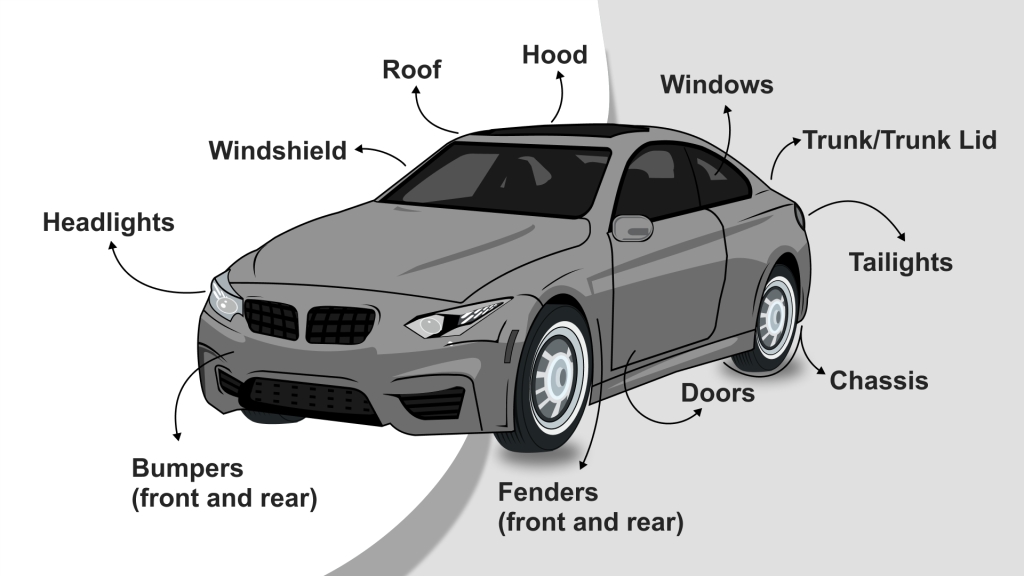
Car-Parts, In the world of automobiles, the term car-parts encompasses a wide array of components that work together to ensure your vehicle operates efficiently and safely. Whether you’re a seasoned mechanic, a car enthusiast, or a new driver looking to understand your vehicle better, learning about car-parts is essential for proper maintenance and timely repairs. This guide aims to shed light on the most critical car-parts, their functions, and tips on how to maintain them.
What Are Car-Parts?
Car-parts refer to the individual components that make up a vehicle. These parts range from essential mechanical elements like the engine and transmission to smaller, often overlooked components like filters, belts, and sensors. Each part plays a specific role, and when one fails, it can affect the overall performance of the vehicle.
Major Car-Parts and Their Functions
- Engine
The engine is the heart of any vehicle. It converts fuel into mechanical energy, powering the car. Regular oil changes and inspections are vital to keep the engine in top shape. - Transmission
This part manages the power from the engine to the wheels, allowing the vehicle to move at different speeds. There are two types: automatic and manual. Maintaining transmission fluid levels is key to its longevity. - Brakes
Braking systems include pads, rotors, and calipers. These car-parts are crucial for safety. Listen for squeaking or grinding noises, which can indicate worn-out brake pads. - Battery
The battery provides the electrical power needed to start the engine and power electronic components. Most batteries last 3–5 years and should be checked regularly. - Suspension System
This includes shocks, struts, and springs. It ensures a smooth ride and keeps the tires in contact with the road. Signs of suspension issues include uneven tire wear and bumpy rides. - Cooling System
Consisting of the radiator, water pump, and thermostat, the cooling system prevents the engine from overheating. Regular checks for coolant levels can help avoid major problems. - Exhaust System
Made up of parts like the catalytic converter and muffler, the exhaust system filters harmful emissions. A damaged exhaust can lead to increased emissions and reduced engine efficiency.
Commonly Replaced Car-Parts
- Air filters: Should be replaced every 12,000–15,000 miles to ensure optimal engine performance.
- Spark plugs: Vital for engine ignition; usually replaced every 30,000–100,000 miles.
- Timing belts: Typically need replacement between 60,000 and 100,000 miles to avoid engine damage.
- Windshield wipers: Often overlooked but important for visibility in poor weather.
Where to Buy Car-Parts
There are several options when it comes to purchasing car-parts:
- Auto parts stores: Offer a wide selection and staff expertise.
- Online retailers: Provide convenience and often lower prices.
- Dealerships: Ideal for OEM (original equipment manufacturer) parts, though typically more expensive.
Tips for Maintaining Your Car-Parts
- Regular Inspections: Catch issues early with routine checkups.
- Follow the Manufacturer’s Schedule: Maintenance schedules are designed to optimize your vehicle’s lifespan.
- Use Quality Parts: Always opt for reliable, high-quality car-parts to avoid frequent replacements and potential safety risks.
- Learn Basic Repairs: Understanding simple fixes can save money and give you better control over your vehicle’s condition.
Conclusion
Understanding your vehicle’s car-parts and their functions can empower you to maintain your car more effectively and make informed decisions when issues arise. From the engine to the exhaust, each component plays a vital role in ensuring a smooth and safe driving experience. With regular maintenance and timely replacements, you can extend the life of your vehicle and avoid costly repairs.
You Might Also Like These: