

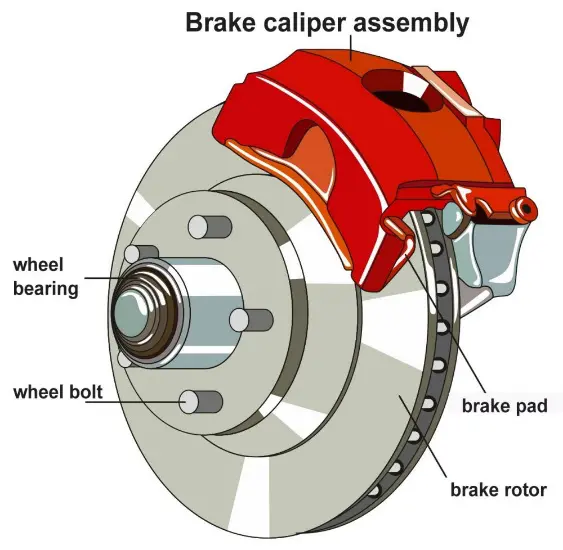
Car Part That Uses Friction, When discussing the vital components that ensure a car’s performance and safety, one essential car part that uses friction stands out: the brake system. This intricate mechanism plays a critical role in controlling a vehicle’s motion, using friction to slow down or stop the car entirely.
What Is Friction in a Car?
Friction is the resistance that occurs when two surfaces move against each other. In the context of automobiles, friction is both a friend and a foe. While excessive friction in the engine or transmission can lead to wear and overheating, controlled friction is crucial for safe braking.
The Brake System: The Primary Car Part That Uses Friction
The brake system is designed specifically to harness the power of friction. Here’s how it works:
- Brake Pads and Rotors (Disc Brakes)
In most modern vehicles, disc brakes are the standard. When the driver presses the brake pedal, hydraulic pressure forces the brake pads to clamp onto the spinning rotors attached to each wheel. The contact between the pads and rotors generates friction, which slows the wheel’s rotation. - Drum Brakes
Older or more economical vehicles may use drum brakes on the rear wheels. Here, brake shoes press against the inner surface of a drum attached to the wheel. As with disc brakes, the friction slows down the vehicle. - Brake Linings
Whether in disc or drum brakes, the surfaces that make contact (brake pads or shoes) are made from specially designed materials that provide optimal friction and durability. These linings are engineered to withstand high temperatures and pressures.
Importance of Friction in Braking
Without friction, a vehicle could not slow down effectively. The brake system converts the car’s kinetic energy (motion) into thermal energy (heat) through friction. This heat is then dissipated into the atmosphere, allowing the car to come to a controlled stop.
Maintenance of Friction-Based Car Parts
Because friction is a force that causes wear, the components of the brake system require regular maintenance:
- Brake Pads: Should be checked every 10,000 to 20,000 miles, depending on driving habits and manufacturer recommendations.
- Rotors: Can last longer than pads but should be inspected for warping or deep grooves.
- Brake Fluid: Essential for transmitting force in hydraulic brake systems. It should be changed periodically to prevent contamination and moisture buildup.
Conclusion
The brake system is the most important car part that uses friction, making it indispensable for vehicle safety. Understanding how this system works and ensuring it is properly maintained can significantly enhance both performance and peace of mind. So next time you hit the brakes, remember—friction is working hard to keep you safe on the road.
You Might Also Like These: