

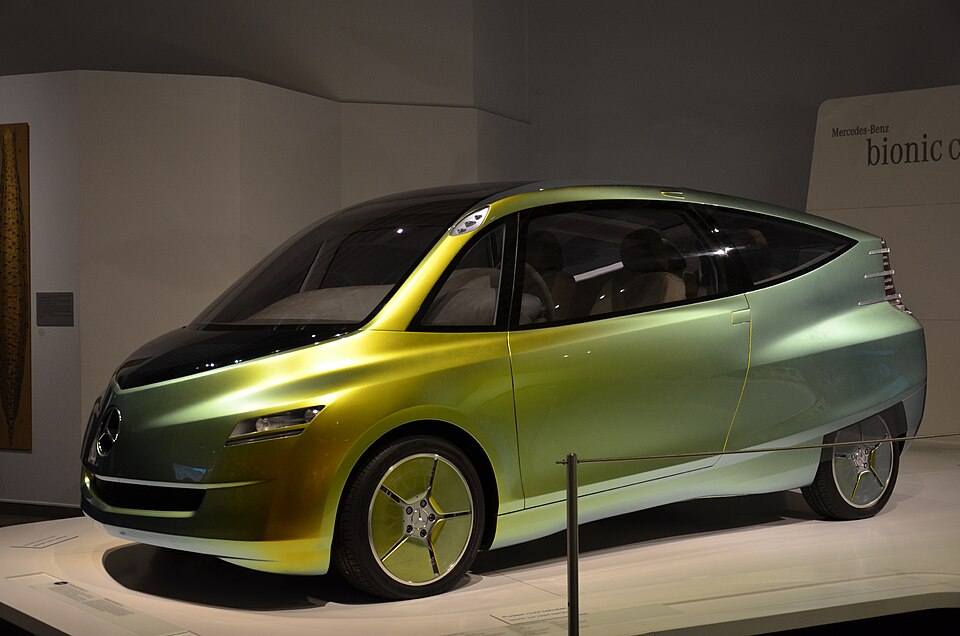
Bionic Car Parts, The automotive industry is no stranger to innovation, but recent developments in bionic car parts are redefining what’s possible in vehicle design and performance. Inspired by biological systems and engineered using advanced materials and technologies, bionic car parts promise lighter, stronger, and more efficient components that could reshape the future of mobility.
What Are Bionic Car Parts?
Bionic car parts are automotive components designed by mimicking nature’s best structural and functional designs. Drawing inspiration from animals, plants, and even microorganisms, engineers use principles of biomimicry to develop parts that outperform traditional counterparts in weight, strength, and adaptability. These parts are often created using cutting-edge tools such as 3D printing, AI-driven modeling, and advanced composites.
For instance, a bionic chassis might replicate the structure of a bird’s bone—lightweight but incredibly strong—while a suspension system could take cues from the tendon structures of a cheetah to improve shock absorption and flexibility.
Benefits of Bionic Car Parts
- Weight Reduction: Nature is efficient. Bionic designs often result in parts that use less material without compromising strength, reducing the vehicle’s overall weight. This leads to improved fuel efficiency and better performance, particularly in electric vehicles (EVs) where weight is critical.
- Enhanced Durability: Mimicking nature’s designs leads to parts that can better withstand stress, pressure, and environmental wear and tear. This means longer-lasting components with fewer replacements over the car’s lifespan.
- Greater Efficiency: Aerodynamic improvements inspired by animal shapes—such as the streamlined body of a fish—can reduce drag, further boosting fuel efficiency and lowering emissions.
- Sustainability: Many bionic designs use fewer resources and can be produced with eco-friendly materials, making the manufacturing process more sustainable.
Real-World Applications
Several automakers and research institutions are already exploring the integration of bionic car parts. For example:
- Mercedes-Benz has showcased concept vehicles using bionic designs, such as the Bionic Car inspired by the boxfish, known for its aerodynamics and structural strength.
- BMW and Volkswagen have used 3D-printed bionic components in prototypes and concept cars to explore weight-saving measures.
- Airbus, while in the aerospace industry, has inspired many automotive engineers with its bionic partition project, which shows how natural forms can optimize strength-to-weight ratios.
The Future of Bionic Engineering in Cars
As manufacturing technologies like 3D printing and generative design software advance, bionic car parts are expected to become more mainstream. This shift not only offers a leap in automotive performance but also aligns with the global push toward greener, more efficient transportation.
The future could see entire car frames designed with bionic principles, drastically reducing weight and emissions. Integration with smart materials could also allow bionic parts to adapt to driving conditions, further enhancing safety and performance.
Conclusion
Bionic car parts represent a fascinating convergence of biology, engineering, and technology. By learning from nature, automakers can create vehicles that are not only more efficient and sustainable but also smarter and more responsive. As the industry evolves, bionic car parts will likely play a pivotal role in shaping the next generation of automobiles
You Might Also Like These: