

Car Brake Parts, When it comes to vehicle safety, few components are as critical as your car’s braking system. Whether you’re navigating busy city streets or cruising on the highway, effective brakes can make all the difference. Understanding car brake parts can help you maintain your vehicle better, improve driving safety, and even save money on repairs. In this article, we explore the essential brake components, their functions, and tips for proper maintenance.
What Are Car Brake Parts?
Car brake parts refer to the individual components that work together to slow down or stop your vehicle. These parts can vary slightly depending on the type of braking system (disc or drum), but they generally include the following:
1. Brake Pads
Brake pads are one of the most commonly replaced car brake parts. Found in disc brake systems, these pads press against the brake rotor to create the friction needed to stop the car. Over time, they wear down and need replacement.
2. Brake Rotors (Discs)
Attached to each wheel, brake rotors work in conjunction with brake pads. When you apply the brakes, the pads clamp down on the rotors, slowing the wheel’s rotation. Warped or damaged rotors can reduce braking effectiveness.
3. Brake Calipers
Calipers house the brake pads and use hydraulic pressure to push them against the rotors. A malfunctioning caliper can cause uneven braking or drag, affecting performance and safety.
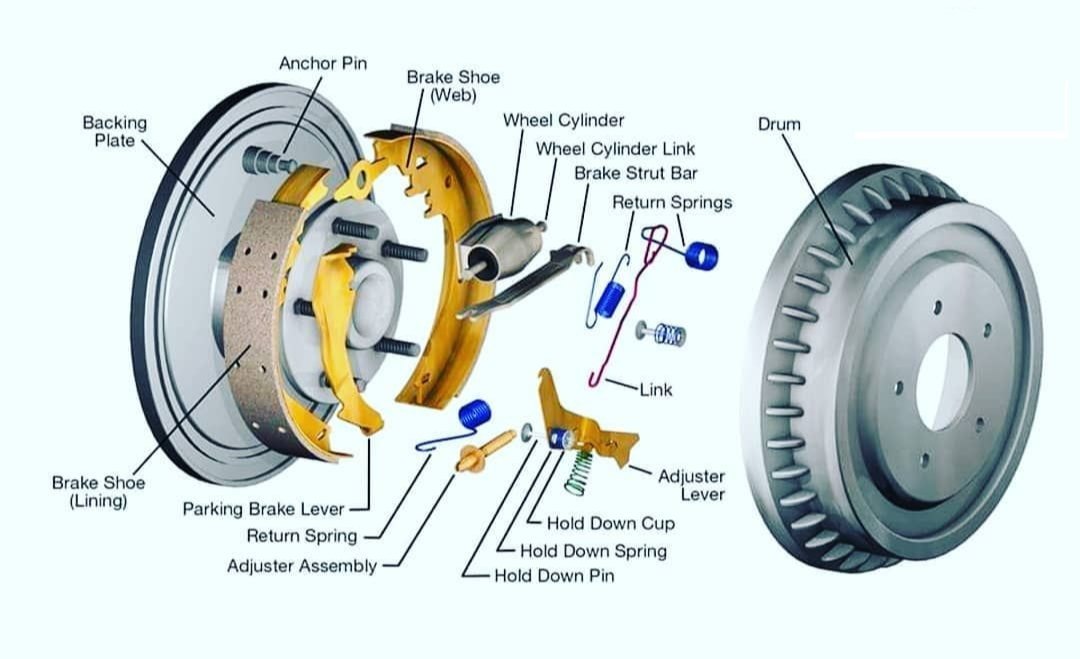
4. Brake Shoes and Drums
Some cars, especially older models or rear wheels of modern cars, use drum brakes. In these systems, brake shoes press outward against a drum to create friction. Though less common today, they are still vital car brake parts.
5. Brake Lines and Hoses
These carry brake fluid from the master cylinder to the brake calipers or wheel cylinders. If these lines leak or are damaged, it can lead to a loss of braking power.
6. Master Cylinder
The master cylinder is the heart of the hydraulic braking system. It converts the force from your foot on the brake pedal into hydraulic pressure, which then activates the brake calipers or wheel cylinders.
Why Quality Car Brake Parts Matter
Using high-quality car brake parts ensures reliable performance and durability. Inferior parts may wear out faster, make noise, or fail to perform under stress. Investing in quality components reduces the risk of brake failure and enhances overall driving confidence.
Maintenance Tips for Brake Parts
- Regular Inspections: Have your brake system inspected every 10,000 to 15,000 miles, or more often if you notice issues like squealing, vibrations, or reduced responsiveness.
- Replace Worn Parts Promptly: Ignoring worn brake pads or leaking lines can lead to more extensive damage and costly repairs.
- Use the Right Brake Fluid: Always use the brake fluid type recommended by your vehicle manufacturer.
- Drive Responsibly: Avoid hard braking when unnecessary, which can extend the life of your brake components.
Conclusion
Understanding the role of each component in your vehicle’s braking system is key to maintaining optimal performance and safety. Regular maintenance and timely replacement of car brake parts not only keep your car running smoothly but also protect you and others on the road. Prioritize brake health—and your peace of mind will follow.
You Might Also Like These: